
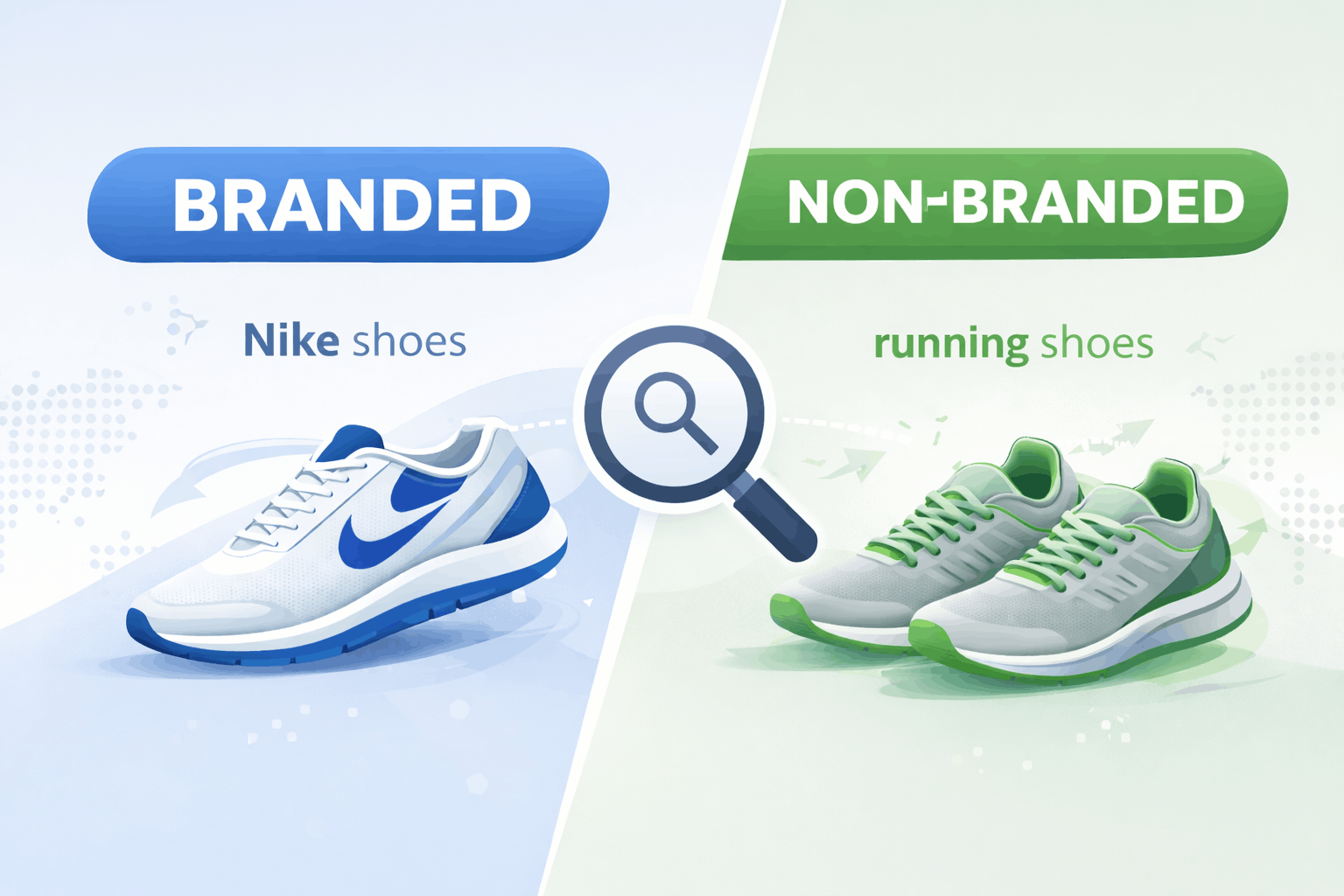
Google is expanding access to the branded queries filter in Search Console, allowing more website owners to separate branded and non-branded search queries in their performance data. First announced in November 2025, the feature is now rolling out to all eligible sites and is designed to help businesses better understand how users discover their websites through Google Search.
The company confirmed the broader availability of the feature in a LinkedIn post on 11 March, stating:
The branded queries filter in Search Console is now available to all eligible sites! This feature helps you analyze the queries driving traffic to your site by automatically differentiating between branded and non-branded queries.
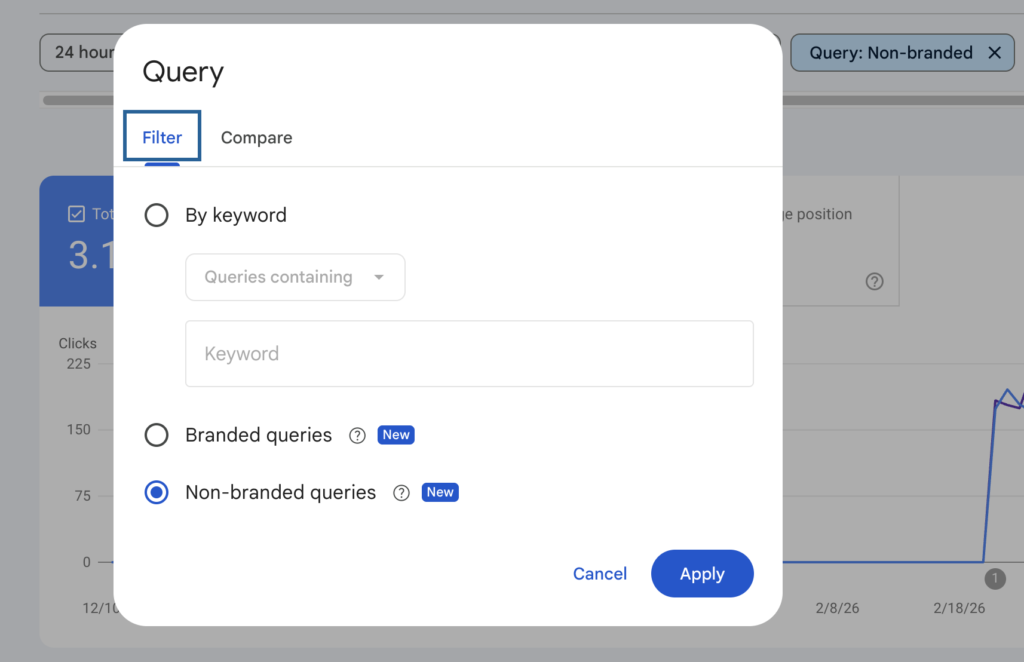
Branded queries refer to searches that include a business name, website domain, or brand-specific products and services, including common misspellings. These typically come from users who are already familiar with a specific brand or company and are actively looking for it.
Non-branded queries, in contrast, are searches that do not mention a brand name. These often come from people who are researching a solution or looking for a service, and may be discovering a business for the first time.
According to Google, the filter relies on an AI-assisted system rather than simple keyword matching. This allows it to recognise brand references across languages, common misspellings, and even searches that refer to a unique product or service associated with a brand without naming it directly.
When applied, the filter limits performance metrics — impressions, clicks, click-through rate (CTR), and average position — to the selected group of queries. It can also be used across all search types within the Performance report, including Web, Image, Video and News results.
Google noted that the feature is only available for eligible properties, meaning some sites may not yet qualify due to query and impression volume requirements.
Why this matters
For businesses monitoring their organic search performance, separating these two query categories can provide a clearer picture of growth. Branded searches often generate higher click-through rates because users are intentionally looking for a specific company. Non-branded queries, however, are where new customer acquisition typically happens.
Strong branded traffic can sometimes make a website’s overall search performance appear stronger than it actually is. If most visitors arrive through brand searches, it may indicate strong brand recognition but limited exposure to new audiences.
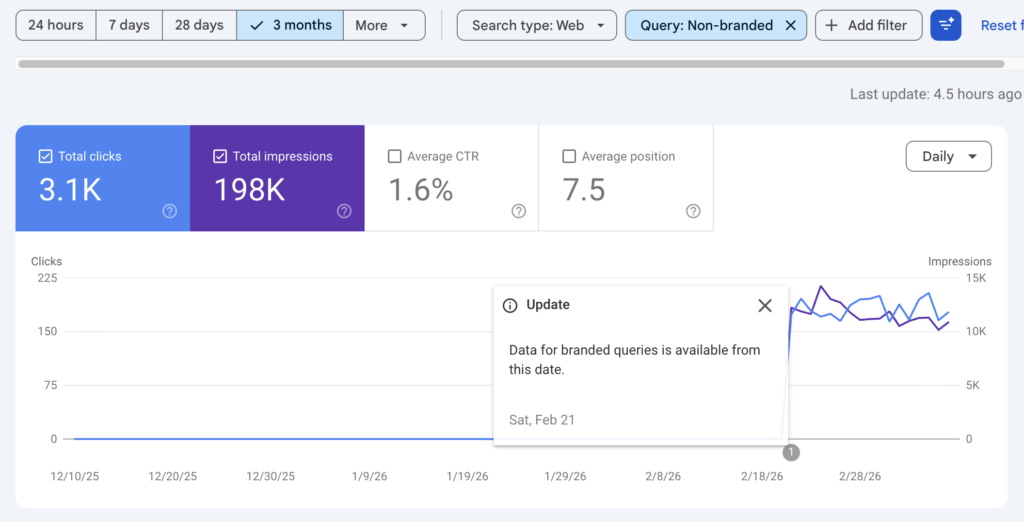
Data for the branded queries filter is currently available from 21 February 2026 onwards, which means year-on-year comparisons will still require manual filtering for older data.
Separating branded and non-branded queries has long required manual regular expression filters or keyword lists. The new filter simplifies that process by automatically grouping the data within Search Console.